A Letter To Mom

There is a little girl in all of usDear Mom, Now that I have children and grandchildren of my own, I’m beginning to realize what a challenge it is to find the balance between encouraging them to continually strive to do better and instilling confidence in them and letting  them know that I’m happy with their best efforts.

I’d like to know your secret, because you’ve always seemed to know just how to do that with me.In school, of course you wanted me to make straight A’s, but if I’d truly done my best and gotten a B or a C, I didn’t have to be afraid  to tell you. You let me know that you wanted my best, not perfection.

Even though I wasn’t the best athlete, no one in the bleachers looked prouder than you, and knowing that pushed to keep trying and improving. Thank you, Mom for being my inspiration. Love, your child.

Why I’m thankful you were my mom…

 You never tired of practicing words with me the night before the spelling bee.You comforted me when things went wrong.You ran to help me when I fell and told me funny stories to ease my pain.You wiped away my tears, held me close, and loved me. In your arms there was shelter from the storms of life, peace when my heart was troubled; joy when the day was dark.

Your love never failed me.You forgave me when I messed up.You patiently cleaned up the many spilled glasses of milk with only a gently reminder to be more careful the next time.You listened as if I was the only person in the world.You inspired me to do my best.You taught me about God’s love.You made our house a home.You always believed in me.You cheered me on even when no one else thought I stood a chance, you always cheered me on!

Mom,If I had a flower for every time I have thought of you, I could walk in our garden forever.I know other beautiful things in life come in twos and threes, by dozens and hundreds.There are plenty of roses, stars, sunsets, rainbows, brothers and sisters,aunts and cousins, comrades and friends. . . but I only had one mother in the whole world.


“When Mama Ain’t Happy, Ain’t Nobody Happy!”

Many couples are putting their children at the center of the family. This doesn’t sound like a bad thing, after all, aren’t your grandchildren the apple of your eye too? But when parents put their children ahead of  their own needs, ahead of their marriage, it may seem child friendly, but it can lead to complications.

When children are the absolute center of the family, they can grow up without boundaries. This can lead to demanding, entitled kids. Who become demanding, entitled adults. You might have a friend or two who are demanding and they can be difficult to get along with. Can’t they? 

 No one wants their children or grandchildren to turn out to be demanding. Do they? Some acting out might be all right for a child, but future bosses, spouses and friends will probably not be so tolerant. Will they? Furthermore, being the center of the family is too much pressure for most childrenChildren cannot fulfill all their parents‘ emotional needs and it’s not fair to expect them to. Children in this position often feel they need to parent their parents and that’s not their job. Actually, it’s your job to be there for your children when they are parents.

Remind them to make time for themselves, their spouses and friends if you want to be helpful offer to babysit so they can have a date night or weekend getaway, and you’ll get to spend extra time with your grandchildren.  Bob and Jane being the wise parents and grandparents that they are, offered to babysit their grandchildren while Jim and  Lynn went out on the town.  As Lynn was leaving, she told her children to listen to Nana and Pops and then gave them a kiss on the cheek and thanked her parents.

Well, Bob winked at Lynn while reminding her of this old saying,”When Mama ain’t happy, ain’t nobody happy!” Bob’s point was that couples need to spend time together just the two of  them and keep the romance going.  Now Jim plans romantic surprise date nights at least twice a month and all Lynn has to do is show up . Jim and Lynn are feeling reconnected and Nana and Pops are “Happy Grands.” Jim agrees with Bob “When Mama Ain’t Happy, Ain’t Nobody Happy!

Do You Have A Grandparent Rival

Grandparents love indulging  grandchildren, love surprising them, love giving them presents, and love seeing the smiles on their fabulous faces when they walk in the door. It’s so much fun! Isn’t it?

A recent grandparent poll asked grandparents this question:  Do you have a grandparent rival?  62% said, Yes I can’t help it and 38% said, No we’re fine. The response to the 62% group was don’t be surprised or embarrassed it’s natural, if you feel a bit competitive with the other set of grandparents and want to be the favorite… or at least on your grandchildren’s favorite list.

But of course, being the favorite grandparent every minute of every day isn’t always possible. First of all, no grandparent can always give their grandchildren everything they want and never say no. Grandparenting may be more fun than parenting, but it’s not a free-for-all. As my grandmother use to say when she had to say No,”anybody can be your friend but my job is to be your grandmother.”

The truth is you probably can’t out do all the other sets of grandparents all the time even if you wanted to. But thank goodness grandparents don’t have to. Just like grandparents, grandchildren have enough love to go around. We can love all our grandchildren and they can love all their grandparents! You may not be your grandchildren’s only favorite, or favorite every day, but if you treat them with love and respect, you will always be a winner in the end. And so will they!

And finally, if you feel like you’re losing the “favorite” race from time to time because you’re the grandmother-in-law and your daughter-in-law prefers her own parents’ brand of grandparenting to yours, you’re probably right! The same Grandparenting poll found 57 percent of paternal grandmothers (that’s the husband’s mother) often felt left out.

It went on to say, After all, your daughter-in-law is parenting the way she was parented by her own mother and in some circumstances it may have been a grandmother, aunt, older sister, or a father who did the parenting but try to remember they did their best.

After all it’s familiar to her and seems “right”. And besides, you were the first woman in her husband’s life, know him longer and better than she does, she’s probably compared to you too often, and if you have a daughter of your own, you may play favorites yourself without even realizing it.

Grandparents who live far away worry that grandparents who live closer will be preferred, and the grandparents with less money worry that wealthier grandparents will gift their way to first place. And if there’s only one child, the stakes are even higher.

So, being “the favorite” may be only a grandparent’s fun fantasy, but there are lots of fun things you can to do that can help you make your dream of being on your grandchildren’s “favorite” Grandparent list.

Here a four Secrets of Favorite Grandparents out of many

  1. Don’t buy love. Reassure yourself that your grandkids will love you even without the nonstop presents and then prove it. Set a one-month gift or candy moratorium, and just play with the kids when they come over, or read to them, or teach them something special, like a funny dance or a goofy kids song, instead of taking them shopping. Let yourself see that you are valued and loved even if you don’t dispense gifts.
  2. Don’t load them up with contraband. Gifts of toys and candy are a problem in another way too. If we take our grandchildren to the candy store, and they stuff bags full of candies and carry them back home, we’ve put their parents in the position of saying yes to junk or no to the special treats. The kids should not bring home varieties of toys and candy that are not allowed in their house, because then you won’t be given many chances to become a favorite!
  3. Do Listen. Ask questions about their likes and dislikes, their games and friends, real and imaginary, their TV programs, books, and their electronic games… and then really listen to their answers. Listen when they talk spontaneously, when they talk repetitively, when they talk endlessly. Listen when they are silly and serious. It’s been said before, their parents just can’t listen to them on a daily basis the way you can when they are with you on a visit. Be the grandparent who understands, the one who is patient, the grandparent who accepts what they say without a lot of lectures and criticism.
  4. Do find Similarities. Become one of your grandchildren’s soul mates and they will feel a bond that will never be broken. Start by going throughfavorites” lists and compare notes. They are called the “Top-Three Lists”. Try top-three favorite… vegetables, meats, fruit, candy, snacks, colors, activities, holidays then do the “Bottom Three” you get the idea. Then go through secret wishes, hardest school subjects, least favorite chores, funny movies and so forth. Every time you find a match, make a big deal out of it. Shout, “Match!” Write it down but mainly remember it. When you talk to your grandchildren, even by phone, Skype, chat, text, e-mail, try to bring up one of those similarities. Like “Our favorite holiday is only three weeks away,” or, “I had to eat our least favorite vegetable today because it was in the salad already.”
  5. Make your home their home away from home. If you have the space, set aside the basement, a room, or even a corner of the living room as your grandkids’ very own space. Let them keep their toys and games there. You’re not only telling them they’re welcome, your backing up with actions. This keeps them wanting to come back again and again. And after all, that’s the plan!

Being a grandparent in today’s world isn’t what it use to be, it’s better! Lets embrace our exciting new role and create wonderful relationships with our children and grandchildren. Remember being a grandparent today isn’t just about babysitting and boasting and it is different from our predecessors.

Top Model or Cowboy

The nursery rhyme “Doctor, Lawyer, Indian Chief ” is a great reminder that we don’t know what the future holds for our grandchildren. We don’t know in what directions our grandchildren will choose to walk.

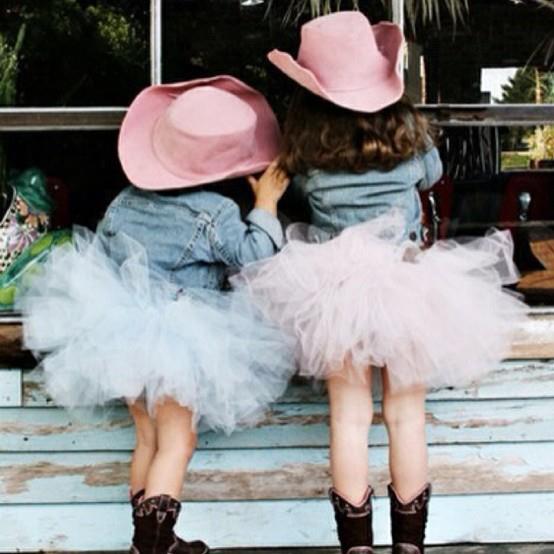
What we do know is that we are privileged to walk with them along their paths and share in their journey. Who knows, maybe someday one will say, ” I became a famous wardrobe designer because of my Nana cut out swathes of pink for me, and mixed and matched outfits.”

Elizabeth has always been fascinated with fashion. Now her younger sister Amy has become her top model she tries on all of Elizabeth latest creations especially the outfits made in the color pink. My friend Jane who Elizabeth and Amy call Nana always says, Who knows Elizabeth just might become a famous wardrobe designer or the next Coco Channel and Amy might become the next top model pretty in pink.

Jane sees Elizabeth and Amy’s fascination as an opportunity to interact on a most personal level, with them. She buys them books about colors, fabrics, hats, the other day she bought a book about buttons.

They love spending hours pouring over magazines and pictures in book about fashions for girls. It may turn into a career, or it may not; but in the mean time Jane is enjoying the journey. The other day the girls started taking ballet lessons so they just might become famous ballerina who knows. Jane is off to the book store to stock up on books about ballerinas it’s good that Jane has a lot of book cases isn’t it?

Ask any group of children these days what they want to be when they grow up. and their answers will likely range anywhere from astronaut to zookeeper, with lots of layers in between. In these answers, children are expressing their personalities, experiences, and dreams.

This past Sunday my grandson Jeremy wore his coast guard air flight jumper (that is just like his dads) with his black knee-high cow-boy boots to church. When I picked him up he had added a king’s crown and he was carrying my heart-shaped plastic basket with parts of his Lego building set in it. We went out to lunch after church with his good buddy Mr. Joel and Jeremy was the center of attention all eyes where on him. Jeremy was expressing his personality and we had a blast.

Doctor, Lawyer. Indian Chief, Model, Wardrobe Designer, Coast Guard Man, Cowboy or a King what will our grandchildren grow up to be?

A Relationship Isn’t Like Grandma’s Silver

A relationship isn’t like Grandma’s silver that you can take out of its box once a year to polish. It’s something that needs constant spiffying up.

How you and your partner cope with these statements: I had a hard day or I have bad news to tell you can set the stage for how the two of you spend the rest of your evening together. Depending on how and when the two of you talk about the hard day you had or the bad news it can rob you of your joy. Learning relationship skills can help you and your partner return to joy faster and that is better than remaining angry and up set for the rest of the evening isn’t it?

Your home is your castle but sometimes coming home after a hard day at the office or a hard day traveling or it’s just a hard commute. The kids may have acted up, the washing machine may have broken down or the loneliness was too much.

Up or down, down or up, what ever the cause, sometimes opening the front door, the tensions can be cut with a knife. Coming home should be a time of relief. A man or woman’s home is his or her castle. When that front door close behind you, there’s an expectation of calm and getting off the rat’s treadmill for a little while.

So when that open door presents you with an out-of- control maelström of anger, crying or tension, you’re left with no place to go and the bell sounds “round one” the moment one partner enters the house, then no one should be surprised if he or she comes in swinging with words.

There’s no question that the problems at home must be dealt with, but there needs to be a moment or two of transition before they are handed over on a red-hot cookie sheet. So let the person coming home take a deep breath, change out of their work clothes, and maybe have a snack. Then give him or her the bad news or whatever else it is and they will be better equipped to help deal with it.

Here is a suggestion while you may want to give partners coming home a few minutes to gather themselves, you also might want to let them know there’s’ a storm on the horizon. Set up some sort of signal it can be a verbal or a little sign such as an actual red flag so that they’ll know to expect something. Remember a relationship isn’t like Grandma’s silver that you take out of its box once a year to polish it’s something that needs constant spiffying up with red flags and snacks.

A Lot Of Otters

Every now and then a children’s book comes along that sparks our imaginations and puts a smile on our faces and A Lot Of Otters is one of those books.

The other day my sister called me to tell me how much she enjoys swimming with her grandson who has autism.

She went on to tell me how much he enjoys watching the Otters in the Aquarium of the Pacific (it’s in Long Beach, California our home town) and she wondered if when she is swimming with him in their family pool was he pretending they were otters swimming and playing freely in the water like Otters do? As she was talking to me I started to  image the two of them laughing and playing in their pool together like otters do.

Later that day while I was shopping in Books A Million I came across a book called A Lot Of Otters. After browsing through it I decided to buy it because it reminded me of the story that my sister told about of Milo liking otters. It turns out that Milo swims like a fish and swimming is one of his favorite things to do and we are hoping that one day he will be able to tell us all about swimming like an Otter.

It’s called A Lot of Otters isn’t that a great name? It’s written by author Barbara Helen Berger and in 1997 this book was selected as best children’s book by The School Library Journal. It was also selected for The Prestigious Exhibition The Original Art 1997, Celebrating the Fine Art of Children’s Book Illustrations, sponged by Society of Illustrations, New York.

The Author’s Comments: When the toddler climbs into the cardboard box, the blue shadow under the box turns into water, and as he reads his book he sails away. From then on, everything takes place in this fantasy water, made with washes of blue to flow from page to page.

The sea otters are based on her careful observations (in two Aquariums, videos and books). So their activities show what sea otters actually do. The way they dive, the way they carry their food, the way they eat, groom, play. However they are playing with stars, and one otter is reading the toddler’s book from the moment he drops it (Oops) to the end.

She always likes to have some element in art which is never actually mentioned in the words. That is one of the things about a picture book that can be most magical and fun. In this case the toddler’s cardboard box and his book with its red cover are never mentioned, nor is the otter who keeps on reading the book whiles everything goes on around him.

 Take a look at the photo of the cover jacket for “A Lot of Otters.” After looking at it. Who wouldn’t want to be friends with otters? This photo sparks my imagination, and before I know it. I’m pretending that I’m reading a book, while sitting in a card box surrounded by friendly otters. Then I feel carefree like a child again. Honesty what could be more fun than children than pretending they are playing with Otters?  Stop reading this for a minute and pretend that you are swimming with a group of fun-loving otters like the ones in this book. Did you really stop?  Wasn’t that fun?

There is nothing more delightful than watching children while they are swimming except for swimming with them. I wonder if while children are frolicking in the water are they pretending to behave like otters too? They move so carefree the way Otters do? Don’t they?

This article is for Trish and Milo because they love to read and look at books about otters and swim together. It seems that Nana’s, Otters, and Swimming are a good combination for some children with autism at least it seems that way for Milo.

 Some children can tell their parents when they are pretending to be like otters while others can’t because they have autism regardless if a child can speak or not, books can be a powerful influence in a child’s life.

It feels good when our imaginations are sparked doesn’t it? Children and books about animals as their friends is magical regardless of what their challenges are. Just ask a grandparent and they’ll tell you all about their favorite childhood books that were full of friendly animal characters.

Children’s picture books date back to the seventeenth century, but they really came into their own in the nineteen-twenties. Children’s picture story books like “The Little Red Hen” and “Little Black Sambo ( which would not be considered politically correct today) but were popular in the good old days.

Call Her Sweetheart

Your loves name is more than a word. When you say his or her name aloud or in your head, it evokes everything, all your memories, all the time you’ve spent together, all the trips you’ve made, the children you’ve had, and the obstacles you’ve overcome. Some people only say their partner’s name when they’re angry, they want something, or they’re yelling or complaining.

The  name loses its valuable identity and becomes associated with negative feelings. So make sure you use your loves name with tenderness, caring and emotion as often as you can. Each time you say it that way, you’ll be filled with love. Dear… Honey…Snookums…Baby…Lover…Kid… Sweetheart… They show you care, especially when your love saves them just for you. But they’re not the same as saying someone’s name. Give what you say, meaning; speak and act with care when you call their name out.

Some parents call each other Mom and Dad, imitating their children. This may sound cute, but it removes your individuality and replaces it with a role. So it’s better to reserve those titles for your children’s use. Sweetheart it’s best to use an enduring name for each other.

Ready Set Grow

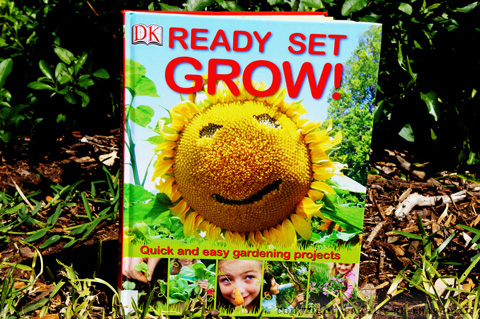
Every grandparent enjoys a unique position in their grandchildren‘s lives. You don’t have to strive to be special. You’re special by definition. You can come into your own as a grandparent, if you put your own distinctive stamp on your role by being inimitably who you are. If you do, you’ll find you have a devoted fan in your grandchildren. Start sharing an activity that you enjoy (gardening) or a hobby  (bird watching) or you may have a particular skill (perhaps drawing, knotting, needlework, or playing tennis), which you can share with your grandchildren. This can provide an opportunity for them to go with you into a world all of your own, one that only you can introduce them to.

The great thing is that you will have boundless enthusiasm for the activity. That’s infectious, and your enthusiasm will rub off on to your grandchildren.You will communicate that energy to your grandchildren so that it becomes a thrilling journey you take together, with you as benevolent teacher and your grandchildren as willing students.

If you enjoy activities together when your grandchildren are very young, they’ll grow up thinking of you as an exciting companion, someone special who shares special pleasures with them. Children are very sensitive to this act of joyful discovery and, as soon as they’re able, they start to bring little gifts of that same kind to you.

 You form your own virtuous circle, where you respect what each can teach the other, and it will probably last for life. In my experiences I’m constantly surprised and delighted by the way my grandchildren push my interests further than I could have taken them on my own. Right now it’s The Cat In The Hat… Go Go Go on an adventure with my grandson’s Jeremy and Jesse!

And of course you open up your grandchildren’s world in a way that’s special to you. It can be anything, from finding out about insects to stamp collecting or jewelry making. The possibilities are endless. Aren’t they?

Encourage your grandchildren in all sorts of different activities. It’ the doing it together that counts.Grandchildren enjoy putting a plant seed in a used yogurt container, or a small plastic tray is fine for planting seeds together. You can teach your grandchildren what plants need to grow.

They can help you water them and you can show them where the perfect place is for the seeds to get the right amount of sun, soil, and you can track the seeds’ growth at each visit. Choose seeds that grow quickly and dramatically, like purple flowering morning glory’s.

 Even better collect the seeds from seed heads in your garden and plant them. Then your grandchildren can get the idea of the circle of life in a very simple way. When the seeds turn into flowers you can let the flowers dry out and use a flower press and turn them into a dry flower collage for the whole family to admire.

 Grandchildren also enjoy looking at things under a microscope. Dead insects and spiders that they find are a particular favorite. But so are plants.The underside of the leaf of a fern with all the rows of seeds is very exciting when seen in up close. Even newsprint looks thrilling through a microscope. The things grandparents do out of love! There is no one else except my grandson’s that could get me to look at dead insects much less spiders under a microscope. Oh! That’s just gross isn’t it?

It’s Time To Celebrate Out Of The Box

What is more appropriate than birth for our beginning? A new child in the world offers a rich opportunity to honor the baby, the parents, the space where they will live, the already-existing siblings, the grandparents and extended family and friends.

 The actual birth process itself as well as preparation for it already creates special moments. As we grow to understand our role in adding more meaning  to our lives, this birth time is opportunity knocking with a loud beat. I can’t tell you how many unusual ways my girl friends and I created something out of the ordinary into a unordinary way to celebrate an impending childbirth celebration. We wanted to do something for each other, but not necessarily a traditional shower.

The gals and I grew up together, we married within weeks of each other and our  babies were born with in weeks of each other. As time went by they had two or three children with in weeks of each other. Then there was me the odd duck out I didn’t have my second baby until seven years later. Hey! It’s better late than never. Right!

This story is a bit unusual, as it talks about preparing the place where the baby will live. The gals and I designed the event, and this is what we did for our friends Linda and Dave. 

My friends Dave and Linda’s first baby was due near the holidays. I wanted to do something for them, but not necessarily a traditional shower. The birth time was getting close and we needed to move into action if anything was going to be done. I called Linda, saying that I wanted to offer to plan something for her and Dave. I asked her what would she like? Very quickly she said, she was dreaming of a time with close friends to prepare the living space for the baby.

She went on to explain to me that she didn’t mean a physical sense of painting and remodeling, but of welcoming the child into the world even before she arrived. I was thrilled with this idea and excited to be part of making it happen.

Linda and I started putting it together. Linda was very clear about who she and Dave wanted to attend–those folks who would understand and support the idea of a pre-birth housewarming. I called the guest on the phone, as it was short notice. This was before email and texting. It was in the 1970’s. The parents wanted the gathering place to take place in the location where the baby would be living.

The intention was to prepare a community nest for the baby. The nest would be made of stories, poetry, wisdom, favorite children’s books, lullabies and handmade items. The offering of the event would come from the heart of each guest. We trusted that each person knew what this new being needed to smooth the transition into the world, help her be comfortable and accepted before her actual arrival.

When the evening arrived, we gathered men and women in a circle n the living room of the home where the child would be living. A candle was lit in honor of the baby. We passed around a rattle to use as a talking piece.

A friend acted as host/facilitator. The offerings included prayers, live music presentations, the start of the child’s own library, special Christmas ornaments, wisdom for parenting, and stories from childhood. Best of all there was the overwhelming sense of how wanted and special this child was, even before she entered the world. Blessings  on this living home and caring parents were offered. Afterwards we ate, laughed and celebrated new life.

The actual birth came a few days later and turned out to be a little difficult for Linda, one of the things that helped her stay focused was remembering the support of those who had assisted in preparing the home for her child.

Because Linda had a clear vision, I was able to help make it happen. In this situation, I was less the creator and more an enabler. I didn’t need to agonized on what to do, as Linda knew what she wanted and I could act as the helper.

Linda designed her own evening. This celebration honored the parents and welcomed their first child into our lives. The circle of friends were ready to receive Linda and Dave’s new baby. As a thank you gift Linda and Dave gave each of us a photo frame with our names engraved randomly around the frame with a picture of their beautiful new baby girl. 

Celebrating beginnings helps us connect with family and friends in wonderful new ways. Even small beginnings, transitions can be explored and filled with wonder. The idea is not to have a “celebration in a box” solution, but spur your creative imagination. You’ll find inspiration to design an event unique to you will give meaning and love to all that participate. Celebrating out of the box is a way to connect with heart and meaning.

In The Kitchen With Grandkids

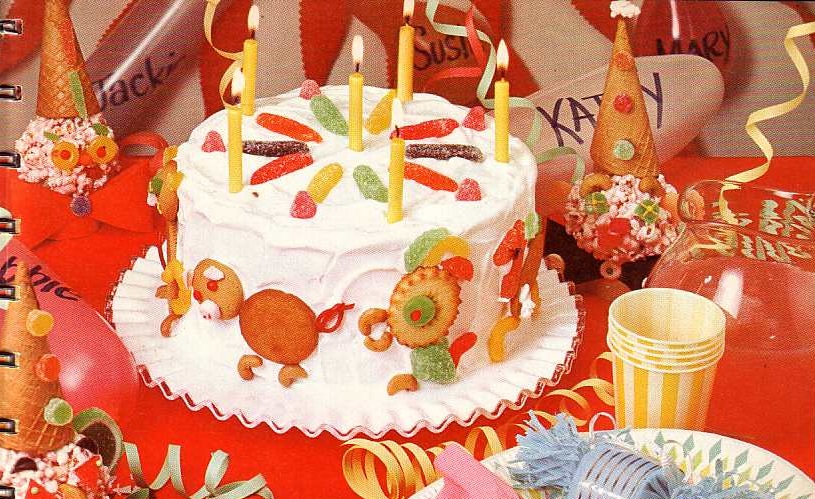
 You don’t have to teach your grandchildren how to bake a cake like the one in this picture of a Betty Crocker birthday circus cake. All you need to do is teach them a few simply things about cooking and how your kitchen gadgets work.

Here are few suggestions to help you to think about what you and your grandchildren might like to do in your kitchen. I hope you have as much fun as I have had with my friends and family in our kitchens.

  • Let your grandchildren sit next to you while you prepare food and explain what you’re doing and why.
  • Sink Play, wrap your grandchildren in an apron or dish towel and provide lots of utensils. Then stand them safely on a chair and play water games.
  • Inviting your grandchildren to cook with you is a great way to introduce them to a verity of foods even vegetables. Ask them to hold the containers for you and let them help you pour the vegetable into a pan or crock pot. Sometime they get so excited they even eat the vegetables. Isn’t that awesome?
  • Let them make what my friend Jane’s grandchildren call “stuff” they all love mixing the most unlikely ingredients together into a big bowel to make stuff; this is a great way of exercising their creativity.
  • Ask them to clean up the mess with a paper towel
  • Let them wipe the low surfaces with a damp cloth to clean up and be helpful
  • This is one of my favorite suggestions wash paintbrushes in the sink to make rainbow water.
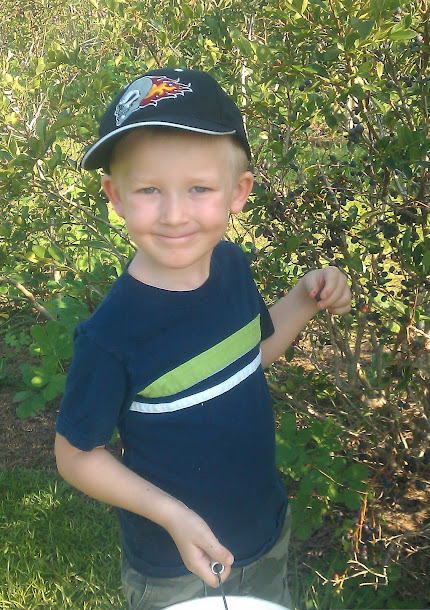
  • Invite  your grandchildren to go to a Strawberry or Blue Berry Farm with you.  Don’t forget to bring along personalized buckets for them.

Let them cook! Encouraging a child to help in the kitchen has benefits for everyone. You’re teaching them about cooking and being independent. When they are old enough they can cook a meal for you!

A Little Kid Humor

 Kids are taking over the world and I’m not talking about all the doctors, policemen, politicians, and attorneys who seem to be getting younger and younger every year. I’m talking about children. Real children.

More specifically, toddlers they could be your nieces and nephews, your grandchildren, your neighbor’s kids, or in some cases, even your own children.

  Sure, they seem innocent enough sitting there in their car seats or on the floor playing quietly with their toys but it’s all a ruse.

They have an agenda, they’re committed, and they’ve outsmarted us for years. Everything they do is to advance their plan to take over the world, and its time someone blew their cover. First, I’m not sure how they did it , but somehow these little kids have managed to take control of our television set. Instead of watching our favorite news programs or the History Channel, we find ourselves caving in to their desires and watching kids programs for hours on end with them. 
Granted we do get involved in their T.V. programs and sometimes even catch ourselves laughing out loud with the kids.

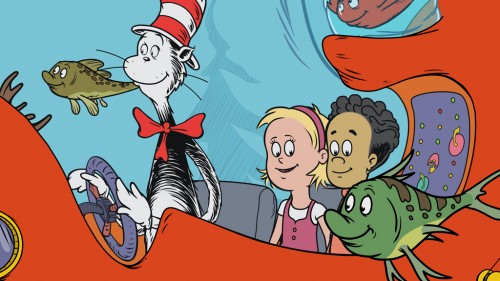
 I have to admit that I find myself watching “The Cat In The Hat” with out the kids.

I wonder, has anyone ever played these children’s shows theme songs backward to see if they’re sending subliminal messages to the adult world?  Messages like: “you will let me play ball in the house” “You will take me to Chuch E. Cheese’s”. “You will give me an advance on my inheritance.” “You’ll let me braid your hair in little braids and paint your toenails fluorescent pink.”

Phase two apparently happened while many of us middle-agers were taking naps. These innocent-looking children somehow convinced pharmaceutical companies of the need for our medicine bottles to come with childprood caps. Caps, I might add, that only children can open. Now on the surface, childproofing medicine bottle probably sounded like a great idea, and I do not doubt for a minute that the staff at the FDA had plenty of reputable facts to convince the agency to jump on board with the seemingly beneficial plan.

But the FDA wasn’t looking into the future to see where this action would take us as a society. ” I need my high blood  medication, Lucas,” Nana says. “Can you come over here and open this blasted thing open for me? ” Sure, Nana, as soon as you tell them the password to your safe deposit box.” These children are the same ones who also hide our glasses, car keys, wallets, and the remote control, and then merely giggle, clam up, or speak gibberish when we try to interrogate them about the missing items. “Where are my keys, Lucas?” “Algagoa.” Come on, Lucas, tell Nana where you put them.” “Dimofogu.” gibberish, gibberish, gibberish is all they will say.

Their resistance to these inquisitions would impress military experts worldwide. Both the FBI and CIA have tried to decipher their secret code, but it’s unbreakable. We’re headed for trouble, people. Just think about it who gets the power seat at the dinner table? The high chair? (see even the name sounds commanding.)  Who’s responsible for that incessant pounding on the metal trays the would make even the toughest grandparent shout out every password to every account they’ve ever owned? These toddlers, that’s who.

Remember the good ol’ days when children used to be at the mercy of adults when it came to their mobility? They either rode in a stroller or we carried them. That, too has changed. These days, kids have their own battery-operated cars to putt around in. They’re eighteen months old, and they’re already know how to drive. What’s worse, we’re probably the ones they persuaded to buy these vehicles for them.

Which brings me to their incredible business sense these youngsters are nothing short of financial geniuses. Think about it. They come to our homes selling candy for their schools and youth organizations, then they return on Halloween and take it all back! Has anyone done the math on this?

I’m telling you their hostile takeover has been planned right under our noses and we’ve been too blinded by their cuteness to see it. They’ve been holding high-level security meetings in play groups all over the world. Sure, it all looks like innocent play to us, but it isn’t. It’s their version of Camp David. Why do you think there is always a child who holds that ear-piercing, high-pitched scream? You think it’s a tantrum? I used to think that, too.

These toddlers have their own cell phones, computers, play houses, tents, and emergency vehicles. What do they need us big people for? They’ve got almost everything required to run the world on their own. Except they may need someone to change their diapers or find their pull ups.

The most amazing thing about this is how these little ones have managed to get us to run their publicity campaigns for them, and we’ve been doing it pro bono. “You want to see some pictures of the most beautiful grandchild on earth?”  “You think she’s beautiful, look at these pictures of my grandchildren.”

 All things considered maybe we’re just getting what we deserve after all these little ones have outsmarted us for years, manipulating us with their cute smiles and endearing hugs, while we’ve merely sat by and allowed it all to happen. But it’s not too late no matter how cute they are we cannot continue to roll over and let these kids take over. We can’t bury our heads and pretend we don’t know what they’re up to. It’s time we let them know once and for all whose is in charge here! It’s time we…

Sorry I had more to say but my grandson Jesse just gave me a hug and took off with my glasses and won’t give them back, so I can’t see the keys on my keyboard.  And so the conspiracy continues…


Toddler or Seuss Landing?

Sometimes living with a toddler can seem like you are living in Seuss LandingWe all know how exhausting a toddler can be for both parents and grandparents. One of the best things you can do for your children is pinch hit when they need it and your schedule permits. Of course, you’ll also have to be in pretty good shape to hold your own with an active child. Don’t be discouraged if your grandchild balks initially at being separated from her parents. Sometimes this will happen even if you are a regular visitor.

 One of the most important lessons that your grandchild learns during this period is autonomy. She becomes aware of herself as a separate person who want to do things for herself. The toddler demonstrates her autonomy and her desire for more of it by mastering her own body, including walking, climbing, jumping and grabbing things and letting them go. She learns to control her bodily functions. 

 Toilet training is another of those areas that can drive parents nuts. Unfortunately, there always seem to be good reasons for parents to begin toilet training that have nothing to do with the child. In the nineteenth and early twentieth century, toilet training wa begun very early, not only because there were no washing machines or disposable diapers, but also because it was believed that regularity was important to good health. In 1914, The U. S. Children’s Bureau recommended that toilet training begin at three months or earlier!  Though hardly anyone would suggest starting this early today, more and more parents feel pressured because they are sending their kids to day-care facilities that only accept children who are already out of diapers.

Remember to maintain some perspective and a good sense of humor. Also remember that everyone seems to get the hang of toilet training by the time they move on to other challenges, such as getting a driver’s license, taking college entrance exams, or getting married!

The toddler’s search for autonomy is enshrined in the fold wisdom concept of the terrible twos. Unlike the infant who expresses her discomfort by crying, the toddle makes her feeling felt far more directly. Since the child is now  verbal, she can object with a resounding “NO” to your suggestions. Since she is mobile, she can walk or run away when you call her or tell her to do something. For example, you may be trying to get home by a certain hour and you want her to sit in her stroller so you can  get there as quickly as possible. She wants to walk and tells you so. You try to put her in her stroller and she tries to wiggle out as you try to buckle her in. It can just drive you crazy!

Although such behavior can try the patience of the most saintly mother or grandmother, it is important to appreciate such words and behavior for what they are: natural assertions of your childs or grandchild autonomy. And they do pass! Don’t worry they move up to preschooler status. One of the most important things we can do with our grandchildren during the preschool years is play. Play does not begin with the preschooler, of course; it starts earlier, and ideally it should be a lifelong activity. But there ar a few reasons for giving it special attention at this point in the child’s development. In earlier generations going to college was a significant achievement and getting into a good school was an important part of children’s high school experiences, today parents want to be sure that their children get into the right preschool, kindergarten, or elementary school.

 Toy and game manufacturers have been quick to capitalize on this enthusiasm by developing specifically educational toys and slapping the label “educational” on almost anything they produce in the hope it will attract more buyers. It is certainly not my intention to criticise products or activities that prepare children for school. I am an enthusiastic supporter of any program that promotes education by strengthening families and increasing the involvement of parents in their children’s lives.

However, it seems that parents and grandparents can get so involved in preparing children for formal school that they often forget just how valuable play is in this preparation.

 More than once I’ve been introduced to someone’s precocious child or grandchild who has already been taught to read or do math or who has memorized the state capitals. Whether we’re talking about formal games with specific rules to be learned and followed, competitive games with winners and losers, or just fooling around by dressing up and pretending, never underestimate the importance of play!

Mom Mania

There is one thing that all mothers can agree on no matter what their job title, income, number of children, education, religion, or location: They want to raise kids who are happy, confident , and self-reliant through childhood to adulthood.

Sometimes stress and quilt brought on by the need to be the “Sacifical Mom” can end up interfering with their ability to achieve this goal. There’s good news for the “Sacifical Mom” she can get back on track by learning and applying these twelve steps. They are proven to help create kids who will live a happily ever after lives as adults.

Look at your child and try to picture him or her in twenty-five years as a grow-up. What do you see? Does your son or daughter have these twelve essential qualities:

  1. Is he happy, optimistic, and secure?  Does he have authentic self-esteem?
  2. Is she in a healthy, loving relationships? Does she have good friends and loyal allies?
  3. Does he have a strong moral compass? Does he have good values and strong character?
  4. Does she have empathy and compassion for all people?  Is she kind, unselfish, and humane?
  5. Does he have self-control and patience? Can he delay gratification?
  6. Is she able to make good decisions on her own?
  7. Is he self-reliant?
  8. Is she responsible and internally motivated? Does she have a good work ethic?
  9. Is he practical and resourceful in handling day-to-day living?
  10. Is she resilient? If life throws her a curve, can she bounce back?
  11. Is he confident and positive about his identity and strengths?
  12. Does she have fun? does she laugh? Is her life balanced between work and love, self and others? 

Don’t forget to take into consideration that kids are born with a certain temperament and genetic predisposition. Certainly there are some things about children’s development that are not under their parents control but many are. Mothers can say good-by to their need to be on  the “Sacrificial Motherhood Mania” bandwagon and be the real mothers they know they are, and raise kids who will not only survive but thrive without her. Remember you can’t teach what you don’t know!

Chose Your Own Grandparenting Style

 The Power of Myths reminds me of the classic children’s storyLittle Red Riding Hood” it has almost all the main features of one stereotyped image of a grandparent.
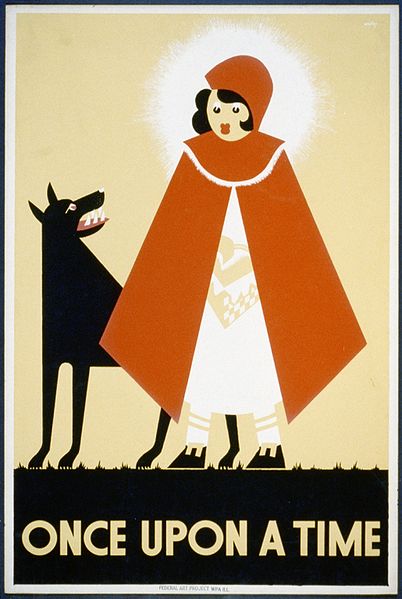
Once upon a time, at the edge of a large forest there stood a tiny cottage almost hidden by the trees. In it a little girl lived with her mother. The little girl could often be seen in her hood and red  cape flitting among the tall trees. Her grandmother had made the hood and cape for her and because the little girl always wore them, she was called Little Red Ridding Hood.

Red Riding Hood’s grandmother is old and feeble, caring and gift-giving, and lives within convenient walking distance (wolves not with standing) of her granddaughter. There are probably some grandparents who fit this image. There are probably even more who wish they matched some parts of it. But in today’s world, many grandparents are neither old nor feeble.

They don’t eat chocolate cake or drink creamy milk especially when they’re sick. Their lives are not focused on their grandchildren but on their jobs, friends and social activities. Oh! We can’t forget that some of us can end up spending all day trying to figure out how to use our latest techie devices.

 Often they don’t live on the other side of the woods but on the other side of the country, on another continent, or at least somewhere where the winters are milder and the weather is sunnier. However grandparents are enjoying their beach cottages and mountain cabins. Aren’t they?

 One morning Little Red Riding Hood’s mother packed a basket full of homemade  goodies that included a chocolate cake, a jar of strawberry jam and a bottle of creamy milk. She told Little Red Ridding Hood to take this basket to your grandmother because she was sick in bed and this food will do her good and it will make her happy. I would’ve preferred a cup of tea and a piece of toast myself. 

My friends and I didn’t realize how powerful myths could be until we became a grandparents. We have discovered that when it comes to the topic of family life how surprised we were to see how many people are still clinging to idealized images from the past.

There’s certainly nothing wrong with having romantic and nostalgic ideas but if we walk around feeling that our lives are only second best because things were once better it can sap all our strength. And if we invest our energy trying to live the way we imagine people used to live we’re bound to be disappointed.

Grandparents are living longer that in the first half of the century, the grandparenting phase might last two or three decades or more.

 In short, grandparenting has developed as an independent role in the family cycle and often extends as long or longer than parenting.

Here are a few questions grandparents can ask themselves when choosing their grandparenting style.

What kinds of things to you enjoy doing? What special skills do you have?  How much time do you have available and how much do I want to spend grandparenting? What are your children’s and grandchildren’s needs? What religious and ethnic traditions do you want to pass on to your grandchildren? 

Keep in mind there is still no set definitions of what makes you a good grandparent any more that whats makes a good grandchild. The consensus about what makes us good grandparents makes it easier for each of us to reinvent grandparenting in own style and enjoy our roles.

A Slice Of Life

Having fun with our kids is like a slice of pie. Think about a pie not as a fruit pie, but as a pie of life with slices that define different, slices of family life. One slice is childhood, the next slice is the parenting years, followed by the early adult slice and the largest slice is the empty nest years.

 If we live out our average life expectancy, we will spend twice as many years as adults together with our children, than when they were living at home with us. When a group of my friends got together we talked about our relationships with our parents. Some of us got along well with them, others did not. When we probed the reasons, it had a lot to do with parenting patterns developed during childhood.

 In other words, how we parent our young kids might shape our relationship with them when they grow upWe figured out that the ones who wanted to be friends as adults and spend time together, not out of obligation but, because they enjoyed each other and had moms who included fun as one of their family values. They seemed to be the moms who adult children wanted to spend time with for all the right reasons.

You might be asking yourself what does fun look like?  Just look around you and watch other fun families. You’ll notice they can have fun and be fun even in unlikely places. Like the grocery store or waiting in line at the DMV. Fun is an attitude as much as an activity. And to have fun, we have to be fun, which means lightening up.

Throughout the years, the activities changed. We went from having fun with preschoolers which was fairly simple. They loved to play and loved the attention they got when we did almost anything together. When our kids got older, their fun included their friends, which meant stretching the family circle to make those friends feel welcome in our homes. We agreed that parenting includes the responsibility to shape appropriate fun as kids grow up, which was easier when their friends gathered at our houses.

 The best advice offered was to learn to let go of our own expectations and stop trying to  Besides, our best and most humorous family memories often came out of those unexpected out comes. Friendships with our adult children evolve as slowly as our parenting bumped and bounced from controlling to influencing to simply encouraging and enjoying.

The fun we have along the way is not so much about doing things, as about being in relationships that allowed for growth and embraced our differences. It’s been said, that being friends and having fun with our adult children is the best slice of the pie of life!