Always Express Your Gratitude

Saying thank you is how we express our gratitude and it has a great effect on our partners.

For the person being thanked, a “thank you” is a mirror of the love he or she has given.

It not only increases our sense of ourselves as loving persons but enlarges our capacity to be loving.

Whatever form it comes in, smiles, kisses, cash, praise, hugs, compliments, time, candy, lovemaking, letters, texting, listening, a new hat, a new baby, a new car, a planned vacation, a surprise vacation, an insight, a sense of security, a bouquet of flowers, the sharing of some feelings. Saying “Thank You” can have a great effect.

Saying “Thank You” is also important for the person who says it. On the simplest level, it’s an act of courtesy, a recognition of the good thing the other person has done. But on a deeper level, it’s a way of changing our consciousness about the nature of our relationships. For, in uttering our gratitude, we anchor in our minds that fact that we’ve been given to.

It’s all to easy, in any relationship, to become a whining, complaining, grumpy partner who feels as if the other person has never done, and will never do, anything nice or special for you. Saying “Thank You” dispels this feeling of hopelessness and creates an internal attitude of attitude of optimism. A pathway formed in our minds that in time becomes a thoroughfare; the belief that we have been treated with generosity and goodness of heart, that begins to take root in our consciousness. In this sense, saying “Thank You” is a character building act. It develops a positive view of our partners and the people in our lives.

Just as millions of snowflakes pile up to create a blanket of snow, the “thank you’s” we say pile up and fall frequently upon one another until, in our hearts and minds, we are adrift in gratitude.

Mom Knows Everything

Last summer I was performing one of my favorite grandmotherly duties, which is spoiling my grandson’s rotten!

 Their names are Jeremy and Jesse. This particular time we were eating ice cream on a hot summer day. It was a special treat, and they were enjoying it thoroughly.

 Suddenly, Jeremy scrunched up his little five-year-old face and started pounding his forehead with the palm of his hand. “Jeremy, what are you doing?” I wanted to know. “I’ve got brain freeze!” he wailed.

It was obvious that he had experienced brain freeze before, since he knew exactly how to identify it. I smiled on the inside, and jumped up to pour him a glass of water hoping that it would ease the freeze. Then he asked me a question that stumped me. “Why did God make brain freeze when it hurts so bad?”  “Well, ummmm…well,” I stammered in response.

How on earth do you explain the problem of pain and suffering to a five-year-old? Do you go back to the Garden of Eden and explain how perfect things were before Adam and Eve took a bite out of forbidden fruit? (You don’t dare identify it as an apple when you’re talking to a five-year-old, or he might never eat another one again.)

 And if you start your answer with an explanation of Adam and Eve in the perfect paradise, then the next time your grandchild comes over, he’s going to want you to take him to the Garden of Eden to play. And he’s going to want to know, “Is it kind of like Disney World?”

And when you explain that it didn’t have any rides or pirate shows, he’ll wonder why on earth God wasted his time building it and why wasn’t there a pirate ship there?  I realized that I could try a different approach to explain how only Gods knows why but all my possible answers were triggering red flags.

Then as I sat there stumped, I realized that Jeremy wasn’t the only one with brain freeze. I was suffering a terrible case of it myself!  Even though I had answered this question many times throughout the years. I couldn’t come up with an appropriate explanation for a five-year old to save my life!

 Finally as he stared at me, waiting for my response, I replied, “Hey, that’s a great question, Jeremy. We’ll have to ask God when we get to heaven.” “Okay,” he replied.

Then he said or we can wait until my mom comes home and ask her cause she knows everything. I said, that’s a great idea Jeremy! 

 He finished scraping the bottom of his dessert dish, took one last sip of water, and jumped down from his seat. He ran to play cars with his brother, his brain was sufficiently thawed and so was mine.

 Apparently, it seems the best answers are the simple ones. By the time his mom came home we forgot all about the brain freeze.

Finding Peace In Relationships

In the tit-for-tat world of our psychological dramas, we tend to make life adversarial. We take sides. We look at intentions and effects such as she was late just so I’d feel bad; he said that just to hurt me. We seek redress for our insults and wounds; we keep score (you were late more often than I was; you flirted more than I did; you hurt me more than I hurt you; your meaner than I am; well, anyway, you were meaner more times.

It’s as if in trying to find peace in relationships, he thinks, she thinks, keeping score will win the day. Keeping score is like a trash can for misplaced emotions. If he or she looks at you as an enemy they’ll  show you all your crimes, and prove that you’re guilty, thinking they deserve you to make up for it by loving them more because you’ll feel so badly about how you’ve behaved.

 Enemy, crimes, proof of guilt, make up and love them more. This sounds more like the beginnings of a murder mystery and not a loving relationship. Doesn’t it? Unfortunately ( and fortunately, he or she isn’t a corporation that can be sued (and required to make recompense) like a faulty product. People don’t “pay up” in love because they’re shamed or proven guilty. In fact, the stronger inclination is to get away from the heat and head for the hills. Justice doesn’t always prevail. People who keep score and get pay back are like murderers of love. Aren’t they? Taking an adversarial position will only make an adversary of your mate; and adversaries make war, not love.

That’s why, when conflict arises we need to look for common ground. In the midst of the fray, when we seek the kernel of truth that can bridge us to understanding, we can find our way back to union. We all have a dark side; we’ve all hurt one another more than we’d like to admit. But even our misdeeds merit an attempt at understanding, because the truth is that even dastardly acts are born in pain. That doesn’t excuse them, of course, but it’s important to remember that even the difficult, hard, hurtful things we do to each other spring from the woundedness within us.

When I can comprehend your suffering (and, therefore, the crooked behavior you perpetrated on me) and you can comprehend my pain (and, therefore, my wrongdoing to you), we can stand face to face in compassion, unravel the missteps we’ve made, and together start over from a different place.

So if, in your heart of hearts, you seek union, pleasure, companionship, support, and nourishment from your partner, don’t make an adversary out of him or her. Even in the hairiest fray, try curiosity and kindness. “Why were you late?” “Why were you so short with me?” Try it you may find out something surprising. ( I got back a frightening mammogram today”; “The guy right next to you in the gym keeled over and died”), something which instead of turning your partner into the enemy, fill your heart with compassion. Our relationships become sweeter, deeper and more gracious when we are loving and compassionate with our partners.

The Sweet Bliss Of Rose Petals

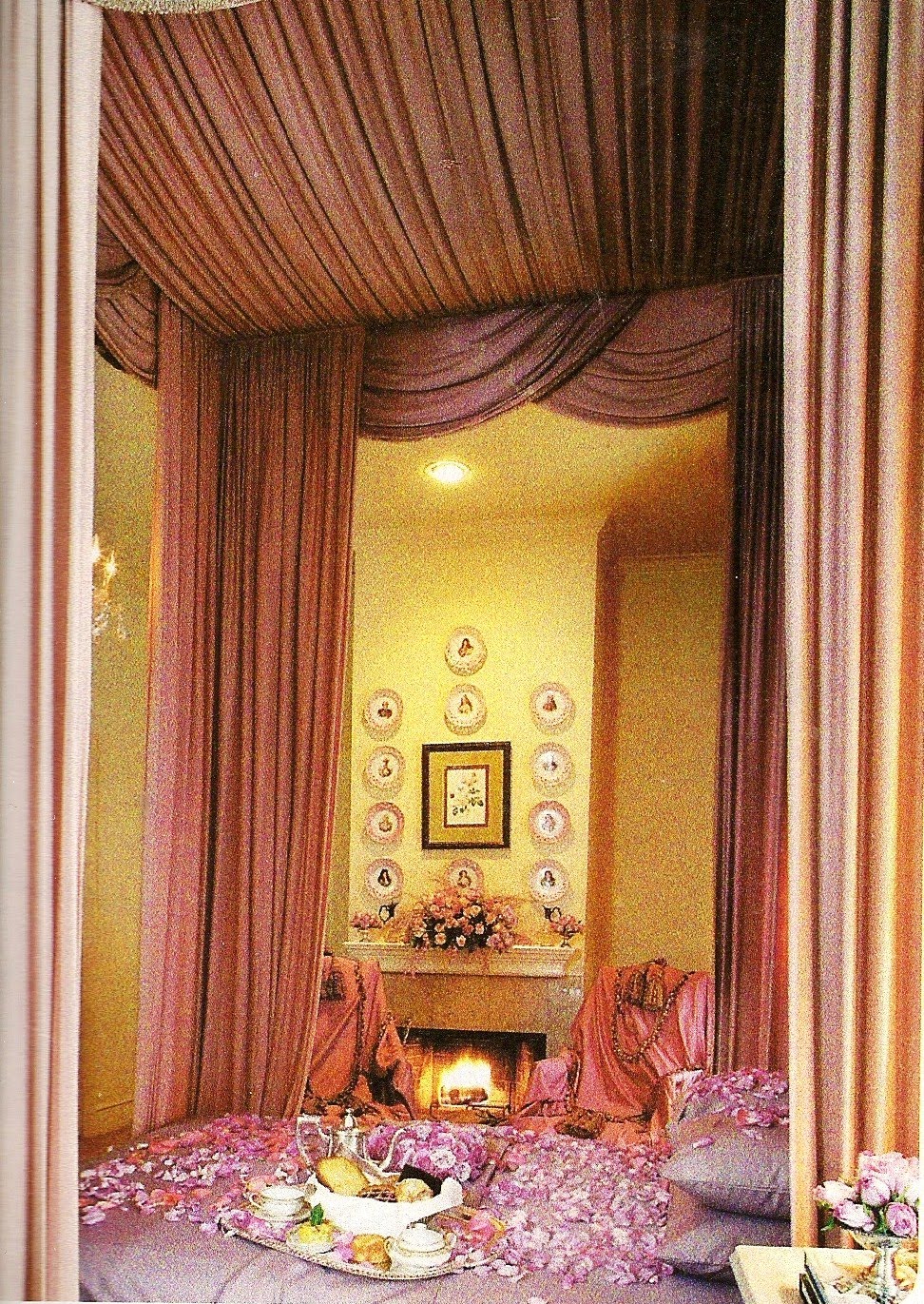
 Come lie with me in the rose petals in the sweet bliss of their petals. Wouldn’t it be wonderful if you had rose petals to lie in? Wouldn’t it be exciting if you had enough time to lie down, sweetly, deliciously, in them? Do  you wish that you had the beautiful imagination to whisper such words in the first place? 

To be able to say such words would mean that some wonderful things had already happened to you.

 It might mean that your spirit is already free, that your heart is open and clear, that you already have been touched so deeply, so dearly, by someone who you could want to lie down in a bed of rose petals with him, with her. The two of you feeling the texture, breathing the fragrance, savoring the mystic effervescence, that you have arranged your life, your day, your way of being so that, in fact you could partake of your own wise and wild invitation.

To say, “Come lie with me in the rose petals and let us bow down to the scent of the roses, performing our sorrows, diminishing the grasp of all our tragedies, unraveling the grip of all the ordinary awful tasks that bind us, dull us, and so tediously unshine us. Let us slip for a moment into the sweet bliss of roses, into a breathless bevy kisses, of magic, of always. 

How long has it been since you’ve spoken such courtly, majestic, and fanciful words if ever? There is no time like the moment. There are no words more special than the ones you feel moved to utter, no risk more worthy than the one you fancy taking, to move you farther, move you deeply, into the sweet bliss of love.

Therefore, take courage, be a jester and a hero, and say to your darling beloved (while the sun watches, while the moon hovers, while the birds sing), “Come lie with me in rose petals, and let us rejoice in our love.”

A Little Boomer Humor

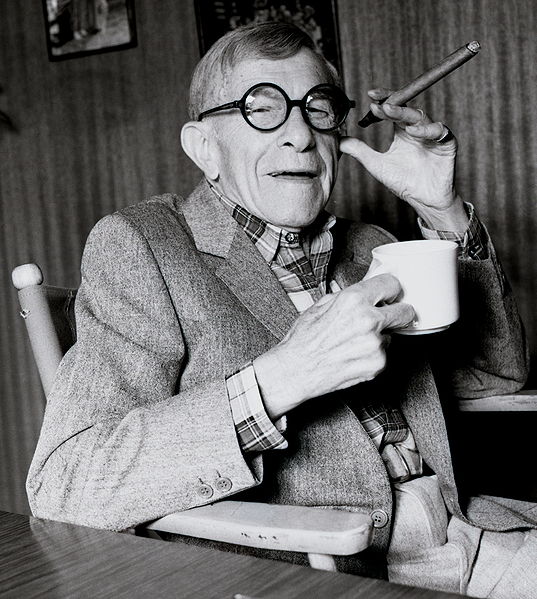
Retirement at sixty-five is ridiculous. When I was sixty-five I still had pimples.”  Author George Burns. ” One of the problems about retirement is that it gives you more time to read about retirement.” This is Bob’s story about life after retirement.

Dear Friends,

It is important for men to remember that as women grow older it becomes harder for the to maintain the same quality of housekeeping as they did when they were younger. When men notice this, they should try not to yell. Let me relate how I handle the situation.

When I got laid off from my consulting job and took early retirement in March, it became necessary for Nadine to get a full-time job, both for the extra income and for the health benefits that we need. It was shortly after she started working that I noticed she was beginning to show her age.

I usually get home from fishing or hunting about the same time she gets home from work. Although she knows how hungry I am, she almost always says that she has to rest for a half an hour or so before she starts supper. I try not to yell; instead I tell her to take her time and just wake me when she finally does get supper on the table. She use to wash and dry the dishes as soon as we finished eating. Now it is not unusual for them to sit on the table for many hours after supper. I do what I can by reminding her several times each evening that they aren’t cleaning themselves. I know she appreciates this, as it does seem to help her get them done before she goes to bed. Now that she is older, she seems to get tired much more quickly. Our washer and dryer are in the basement. Sometimes she says she just can’t make another trip down those steps. I don’t make a big issue of this, as long as she finishes the laundry the next evening I am willing to overlook it.

Not only that, but unless I need something ironed to wear to the Monday lodge meeting, or to Wednesday’s or Sunday’ poker club, or to Tuesday’s or Thursday’s bowling, or something like that, I will tell her to wait until the next evening to do the ironing. This gives her a little more time to take care of odds and ends, like shampooing the dog, vacuuming, or dusting.

Also, if I have a really good day fishing, it allows her to gut and scale the fish at a more leisurely pace. Nadine is starting to complain a little occasionally. For example, she will say that it is difficult for her to find time to pay the monthly bills during her lunch hour. In spite of her complaining, I continue to try to offer encouragement. I tell her to stretch it out over two, or even three days. That way she wouldn’t have to rush so much. I also remind her that missing lunch altogether now and then would hurt her any, if you know what I mean.

When doing simple jobs, she seems to think she needs more rest periods. Recently she had to take a break when she was only half finished mowing the yard. I try not to embarrass her when she needs these little extra rest breaks. I tell her to fix herself a nice, big, cold glass of freshly squeezed lemonade and just sit for a while. I tell her that as long as she is making one for herself, she may as well make one for me and take her break by the hammock so she can talk with me until I fall asleep.

I know that I probably look like a saint in the way I support Nadine on a daily basis. I’m saying that the ability to show this much consideration is easy. Many men will find it difficult. Some will find it impossible. No one knows better than I do how frustrating women can be as they get older. However, guys, even if you yell at your wife just a little less often because of this article, I will consider writing it worthwhile. Bob.

Bob’s funeral was Sunday, April 25th and Nadine was acquitted Monday, April 27 th. That says it all. Doesn’t it?

Language Can Create Reality

Language is a very powerful instrument. What we utter is what we believe or expect, and if we say it enough, in time what we speak becomes true. What we say, and what we hear others say, has the power to sculp our experience, our view of ourselves.

 One form of emotional healing comes form the precise use of language, words you speak and words that are spoken to you. Because of this, an intimate relationship and the verbal exchange intrinsic to it have a greater capacity than almost anything else in the world to heal us of deep emotional wounds.

Words spoken to us by our loved ones truly have the capacity to heal our memories and deeply imprinted pains and to recreate our sense of ourselves and of the world. This means that the negative words that shape your early consciousness and/ or your perception of yourself. “Your Ugly”; You can’t have that; we’re too poor”; ” You never pay attention”; “Why can’t you keep your mouth shout”?  Can actually be revised, corrected, and dispelled through the careful use of language.

Brad had been endlessly yelled at for how he behaved at school, told what a mess he made of his school work, punished for being late, and criticized for getting Cs. No body had ever bothered to note his intuitive genius, the extraordinary function of his mind. Years of ravaged self-esteem began to be healed for Brad the day his sweetheart first told him he was intelligent.

You’re brilliant, she said. I just love the way your mind works. The minute she said that something inside me started to shift, he told me later. I began to believe I wasn’t stupid. The more she said it, the more I was able to believe her. The more she said it, the more I noticed that other people sometimes said similar things. In time, her words changed how I felt about myself entirely.” Brad considered himself a lucky man to marry a gal who really valued his mind and always had a kind word to say.

Brads story shows us that language does have the power to change reality. Therefore, treat  your words as the mighty instruments they are. Use them to heal, to bring into being, to remove, as if by magic, the terrible violations of childhood, to nurture, to cherish, to bless, to forgive, to create from your heart, true love.

The History of Cup Cakes

If you’re a cup cake baker extraordinaire like I am? Then you will enjoy reading about the history of cup cakes. When my daughter was three years old we started going to a french bakery. The Baker would come over and say, “Bonjour” to her and she would say “Bonjour” back to him. It’s always so sweet when little girls say “Bonjour” isn’t it?  Then he would offer her a taste of one of his scrumptious desserts but she would shake her head as to say “no” and ask him for a cup cake please!  As time went by she had tasted every kind of cup cake the baker could think to make. If she liked it he would make it the cup cake of the week. As a result he came up with  many creative ways to decorate the cup cakes and his cup cake sales increased by fifty percent.

 I became inspired and learned how bake and decorate cup cakes like the ones he baked at the bakery. I can honestly say that If there’s a way to decorate a cup cake I have tried it. Sometimes they turned out perfect and other times they ended up in the trash but it didn’t matter because I always had one fan who didn’t care if the cup cakes turned out the way I wanted them to or not she would eat them.  If you are a cup cake extraordinaire or just enjoy eating cup cakes. 

 The History of Cup Cakes

A cupcake (also British English: Fairy Cake; Australian English: Patty cake or Cup Cake is a small cake designed to serve one person, often baked in a small, thin paper or aluminum cup. As with larger cakes, frosting and other cake decorations, such as sprinkles, are common on cupcakes.

Although their origin is unknown, recipes for cupcakes have been printed since at least the late 12th century. The first mention of the cupcake can be traced as far back as 1796, when a recipe notation of  “a cake baked in small cups” was written in American Cookery by Amelia Simms. The earliest documentation of the term cupcakes was in ” Seventy-five Receipts for Pastry , Cakes and Sweetmeats” in 1828 in Eliza Receipts cookbook.

In the early 19th century, there were two different uses for the name cup cake or cupcake. In previous centuries, before muffin tins were widely available, the cakes were often baked in individual pottery cups, ramekins, or mold and took their name from the cups they were baked in. This is the use of  the name that has persisted, and the name of  “cupcake” is now giving to any small cake that is about the size of a teacup.

 The name “Fairy Cake” is a fanciful description of its size, which would be appropriate for a party of diminutive fairies to share. While English fairy cakes vary in size more than American cupcakes, they are traditionally smaller and are rarely topped with elaborate icing.

The other kind of “cup cake” referred to a cake whose ingredients were measured by volume, using a standard-sized cup could also be baked in cups; however, they were  commonly baked in tins as layers or loaves. In later years, when the use of volume measurements was firmly established in home kitchens, these recipes became known as 1, 2, 3, 4 cakes or quarter cakes so-called because they are made of four ingredients: one cup of butter, two cups of sugar, three cups of flour, and four eggs. They are plain yellow cakes, somewhat less rich and less expensive than pound cake, due to using about half as much butter and eggs compared to pound cakes. The names of these two major classes of cakes were intended to signal the method to the baker; “Cup Cake” uses a volume measurement, and “Pound Cake” uses a volume measurement , and “Pound Cake” uses a weight measurement.

In the early 21st century, a trend for cupcake shops was reported in the United States, playing off of the sense of nostalgia evoked by the cakes. In New York, cupcake shops like Magnolia Bakery gained publicity in their appearances on poplar television shows. In 2010 television presenter Martha Stewart published a cook book dedicated to cup cakes.

Cupcakes have become  more than a trend over the years; they’ve become an industry. Rachel Kramer Bussel, who has blogged about cupcakes since 2004 at Cupcakes Take the Cake, said that in the last two years or so cupcakes have become popular nationwide.

A “cake in a mug” is a variant that gained popularity on many internet cooking forums and mailing lists. The technique uses a mug as its cooking vessel and can be done in a microwave oven. The recipe often takes fewer than five minutes to prepare.
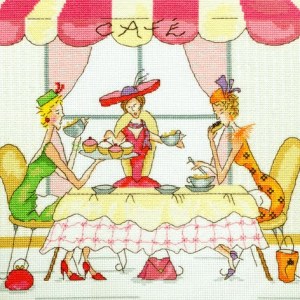
After I read the history of cup cakes  I wonder did I miss my calling? Should I have become a cup cake extraordinaire baker? No! I don’t think so. I was happy to just bake cup cakes for my family. However I am looking forward to eating cup cakes with my grandchildren in the future.

Love As A Garden

Communications have improved in so many ways. Pocket computers carry more power than could be imagined in older days. But all the electronic gizmos don’t help a romance at all, unless you’re communicating your love when you call.

Silence is like a vacuüm, drawing in all thoughts that go by. So protect your lover’s ears; be aware what your words imply. Choose your words carefully; think about what you say. Don’t fill the void with just anything, squawking like a joy.

Make sure your emotions aren’t trapped elsewhere. Give what you say, meaning; speak and act with care. Then love will sound like a trumpet and to your words impart the clarity of romance as you speak heart to heart.

Think of your love as a garden, and unless you tend to it, you’ll never reap the full rewards that love can bring. The ground need to be tilled with kindness, for if it is too hard, love’s seed can’t spout. The seeds have to be planted with care if they are to penetrate your lover’s heart.

Love needs to be watered with kind words and compliments, Love must bask under the warm sun of your undivided attention. The weeds of pettiness and lies must be pulled form the field of love. The fruits of love need time to grow and cannot be picked until they are ripe.  If you don’t put the required effort into your garden of love, you can certain that the weeds will invade and your garden will yield little in the way of love. But if you work at it, you’ll find a bumper crop of love waiting for you to harvest each and every day.

Be An Artist Of Love

Some days you may push love aside. Other times love may push you around. Just make certain in your heart and head that you are working in unison when creating your canvas of love.

Since you “fall” in love, many people treat love as if it were some strange best over which they have no control. But you have more say over your emotions than you think.

Put a sad movie in your DVD player and you’ll cry. Listen or dance to your favorite song on your iPod and your spirits will pick up. You can have a similar effect on the setting of your love dial. While love can be overwhelming at times, or so subtle you can’t tell it’s there, that doesn’t absolve you from honing your skills as a lover. The best lovers have the most control, not least. Even if you’re head over heels in love, you should keep some control, or you risk driving away the person you adore. There are times to go overboard and other times to bank that excess love.

And at the other extreme, if your schedule is crammed twenty-fours a  day, you can’t forget that you have a partner who has needs that must be met. Sure, there are days when you can take out a loan that you promise to pay back in interest, but you can also overextend that type of credit and wind up bankrupt.

 A painter mixes colors to come up with various shades. You must do the same because even love can be boring if it becomes too monotone. So some days, even if you’re not feeling overly romantic, tune up the heat. Shout “I love you” across the room. Put a little more oomph into that hug. Not only will your partner appreciate your use of the brighter colors in your palette, but will probably change your mood as well. You don’t need special skills to learn to be an artist of love. You just need to always be aware that you are a lover at heart.

Moms and Dads Are Raising Great Kids!

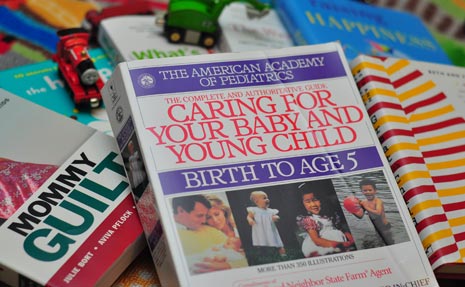
Do moms really read parenting books?  Of course they do they’ve probably read dozens especially when their first baby was born. Have those books been helpful? Yes. In some cases the information about childcare development and medical health issues is very practical and often comforting.

But frankly, reading book after book hasn’t reduced the amount of guilt, stress, and mania among mothers around us. In fact it may have increased it.

There have been just too many parenting books by too many authors who call themselves experts. The net result has been confusion, and mothers who still doubt themselves and worry that their children aren’t thriving.

When researching parenting books make sure that the author has children and is actively involved in their children’s day-to-day lives. It’s not too much to ask of authors of books on parenting to have hands on experience and education about parenting. That is the best. Isn’t it?  There are some solid parenting principles that have been around for decades but all to often forgotten. There are parenting books that simply remind us all the basics. What has always been natural, instinctive, and intuitive for real mothering. Unfortunately, these core principles have been obliterated by the frenzy and mania of commercialized parenting. But now it’s time to get back, get real, and restore the simple truth about mothering: That its foundation is the powerful and unconditional love and connection that ultimately lasts for always. 

  So trust yourself and those maternal instincts no one knows your child better that you. Don’t forget to relax, enjoy the moment, and remember to laugh. I know! You’re thinking that’s easer said than done. Yes, it is but it works!

Antiques and Keepsakes

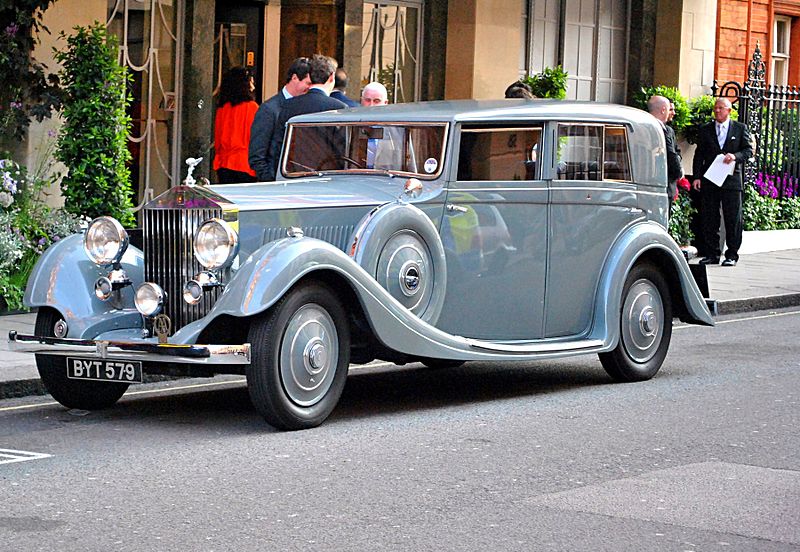
The definition of antique varies from source to source, product to product, and year to year. The only known exceptions to the “100 year rule” would be cars. Since the definition of the term antique requires an item to be at least 100 years, or older, and the items in question must be in its original and unaltered condition to be an ‘antique’ if they are roughly 75 years old, or more (some cars can be registered as “classic” when  25 years old, such as muscle cars and luxury vehicles such as a ( Rolls-Royce and Bentley). Further, this is not n universally accepted concern, but rather a consideration made almost strictly by car collectors and enthusiasts.

In the United States, the 1930 Smoot-Hawley Act defined an antique as “works (except rugs and carpets made after the year 1700), collections in illustrations of the progress of the arts, works in bronze, marble,terra-cotta, Parian, pottery or porcelain, artistic antiquities and objects of ornamental character or educational value produced prior to the year 1830. 1830 was roughly the beginning of mass productions in the US and 100 years older than Smoot-Hawley Tariff Act. These definitions allow people to make a distinction between genuine antique pieces, vintage items, and collectible objects. The term antiquarian refers to a person interested in antiquities, or things of the past.

The definition of a keepsake is some object given by a person and retained in memory of something or someone; something kept for sentimental or nostalgic reasons. She gave him a lock of her hair as a keepsake of their time together. Historical specifically, a type of literary album popular in the nineteeth-century, containing scraps of poetry and pose, and engravings. Keepsakes can be called mementos, souvenir, and memorabilia retained in memory of something, someone or a special occasion. Life is full of keepsakes. Every person has them. Every person keeps them. We find them in closets, in scrapbooks, under beds, in attics and in garages. Keepsakes are forever.

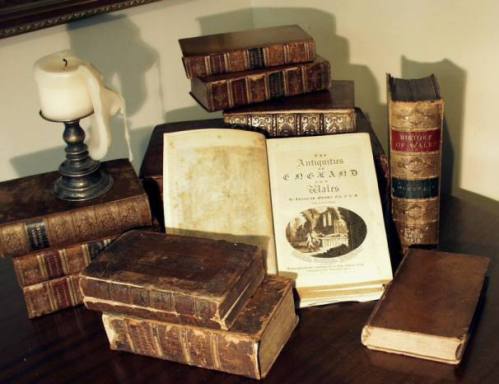
 The other day I stopped in at an estate sale the house was bulging at the seams with antiques and keepsakes.  Everything from Vintage jewelry to first edition books signed by the authors. The owners also had beautifully crafted figurines inspired by artist Muriel Joseph George. It got me thinking. What is a keepsake? The thesaurus gives synonyms for keepsakes: mementos, memorial, remembrance, souvenir, symbol, token, trophy. But I’m not sure these words adequately describe a keepsake.

To me, a keepsake is something that when I look at it, my mind becomes flooded with the taste, smell, sound, and memory of an event. It’s something that I don’t have to write an explanation for in the scrapbook. When I glance at a program from a day at the “Ice Capades” all my sense’s come alive. Once again I can pretend that I’m a famous Ice Skater like the one’s in the Ice Capdes that day. Our keepsakes are like a life long friend, who reminds us of the all those special occasions we have experienced in life.

Working Women

Elizabeth and Julie have a lot in common they work in the same office, have the same duties and earn the same salary.

They both like movies and meet every friday night at the movie theater. So how can you tell which one is the grandmother?

Easy! The one who goes to the store on her lunch hour, calls to see if the baby vomited, and rushes to take a peanut butter and jelly sandwich to her son because he forgot his lunch. She’s the mother.

The one in the darling little dress with matching accessories and is perfectly manicured, the one who sits and orders a salad and a glass of wine while unfolding those endless pictures of adorable kids, she’s the grandmother.

 Can you see how nothing separates the generations like lunch?  Mothers are the ones gobbling down their food, while checking their bank balance on their cell phones. They are the ones using their techie gadgets to keep track of all their responsibilities. Grandmothers are the ones who wait in line at the best restaurants for the best tables.

They care about staying away from fattening foods and sometimes they’ll order off the low-calorie menu or ask the chef to leave this and that off their plate. But on other days when they go for it, on days when they say, Why not? Let’s live a little,” and have things like crème brûlée for dessert with a liqueur. On those days they just breathe a little deeper and rush off to fancy gyms, where for the price of nursery school tuition, they roll back into shape with the help of their personal trainers.

Mothers on the other hand after splurging on a double helping of chocolate chipcookies get back in shape by following exercise videos at home. Grandmothers at lunch discuss the accomplishments of their children and what to buy their grandchildren. A mother’s idea of a relaxing lunch is to turn their cell phone off, drive through and order fast food and enjoy their me time. Elizabeth and Julie have a lot in common except for how they spend their lunch hour. However Julie the grandmother, remembers how she spent her lunch hour when she was a young mom. She enjoys providing a listening ear for Elizabeth, just not at lunch.

Input

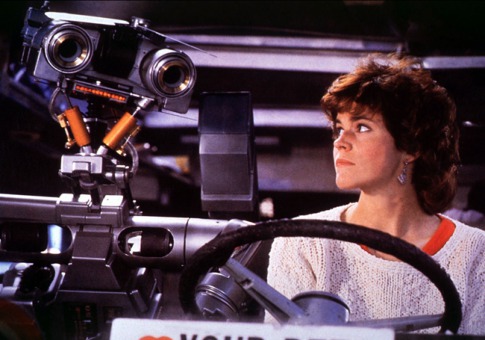
Several years ago a pair of movies hit the big screen featuring a loveable, wise cracking robot as the central star and hero figure.

One word seems to define this robot in the mind of many who remember the movie and that is input.

This mechanical marvel with a human personality was starved for “input” to feed its vast memory banks and satisfy its craving for knowledge. Our minds surpasses the complexity of the finest computer systems man can make.

It is the greatest multitasker and creative interpreter of data, working around the clock from its earliest moments of existence until its final function at death. The continuous service life of the human computer may span as much as one hundred years or more. At least two things are significantly different about your brain. You decide what input goes in and when and where to focus your virtually unlimited thinking power. Some people focus the potential of their incredible brains on advanced theories of astrophysics, while others prefer to memorize endless columns of sports statistics.

 A few study the intricacies of human languages while entire generations prefer to focus on the latest fashions, street slang, and social trends. Our society seems to be addicted to the “blame game.”  People seem to want to blame instead of accepting responsibility for their own choices. There are times in life when we can become negative, discouraged and then we make it worse when we chose to water it, nurture it, coddle it, and help the negative grow.

My mother use to tell me that nobody can make you depressed. She also said, if you’re not happy, nobody is forcing you to be unhappy. If you’re negative and you have a bad attitude, nobody is forcing you to be unhappy. if you’re negative and you have an attitude, nobody’s coercing you to be bored, uncooperative, sarcastic or sullen. She taught me that it wasn’t the circumstances that had me down, it was my thoughts about the circumstances that had me down. She would also remind me to take time, and think about what I was thinking about.

Obviously we can’t ignore problems and live in denial, pretending that nothing bad ever happens to us. That’s unrealistic. Is it?  My mother was a list maker and she encouraged me to make lists too. We called them our “Ben Franklin” lists.  

Every now and then we would make a thought list and list the thoughts that were dominated in our thinking, those that only crossed our minds occasionally, and those that never seem to find their way into our minds. She said, that negativity, cynicism, scorn and pessimism are viruses and diseases to the human soul.

 They can eat away at our personality and faith like runaway cancerous growths. If your attitude is dominated by negativity it’s possible to change your attitude but it doesn’t happen instantly.

People can do it thought by thought, word by word, and decision by decision. This transformation process involves changing all those negative thoughts for positive ones. Like the lovable robot  said, it’s all about “Input.” 


Neverland

The clock struck twelve and my third-grade class-mates and I ran from our desks and out the door. It was recess the best part of the day that we all looked forward to.

 My friend Billy and I hit the playground, we ran to the farthest part of the play ground because no one played there.  If they wanted to play basketball or kickball they would play in the area close to the drinking fountain. When we weren’t playing on the courts we could be found on the swings or monkey bars.

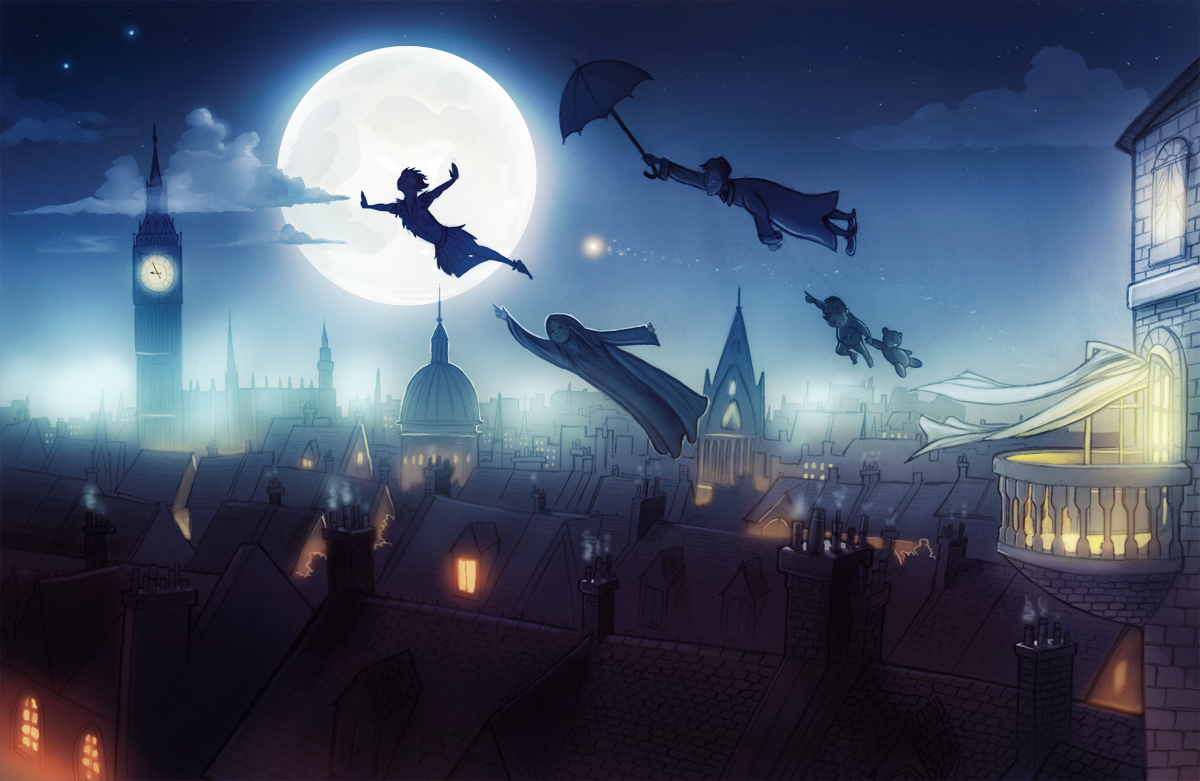
Billy and I pretended that we were in different places, like the Jungle, the Desert, or in the Ocean. One day we decided to play Peter Pan. “All right, here is where “Wendy” lives,” I said, pointing to a four-square section of the court. “And Peter Pan will live near that basketball hoop.” Billy liked my idea and we started to make up our game.

“Peter will be in trouble, so Wendy has to come in the middle of the night and save him,” Billy told me. “That sounds good… I think I’m going to be Tinkerbell.” I said, Suddenly Billy looked at me. ” But I want to be Tinkerbell today.  He complained. I told him that I had thought of the idea first, he still whined. “Come on, Billy you can be Tinkerbell tomorrow,” I said, hoping he would drop it. “No! I’m going to be Tinker Bell today. It’s only fair”, he yelled. “How fair is that?” I asked. “It just is!” I sighed. This fight was going nowhere. “Okay,” I said,” either I get to be Tinkerbell, or we won’t play this game at all.”

 Billy yelled at me that’s a stupid idea I guess that’s how girls with portuguese names are then he walked away. I stared at him as he walk toward the swings. I wondered what happened?  What does me being portuguese have to do with the both of us wanting to be Tinkerbell?  Up to that point I thought I was like everyone else. I knew that it really didn’t mean anything but it still wasn’t right or a nice thing to say. Just then the teachers blew their whistles, and recess was over. I told the teacher that Billy and I had gotten into a fight and she let us talk outside the classroom.

 Talking to him didn’t seem to make a difference he didn’t seem to care that he had hurt my feelings. I didn’t know how much it had hurt until I realized I was yelling at him. I stopped and told him I was sorry. “It’s okay. What I said was rude and I shouldn’t have said it. I guess I’m the one that’s sorry,” he said. “Thank you, I whispered. “No problem. And I promise never to make fun of your last name again. Do you forgive me?” he asked. “Of course, I forgive you! I laughed as we held hands while walking back into the classroom.

Once a year Billy and I would go to Disneyland with his family. Billy and I continued to pretended he was Peter Pan and I was Tinkerbell even if we were to old to. Billy and I stayed best friends until high school then we went to different schools and eventually drifted apart. 

I never forgot him or that he never insulted me again just as he promised. I always wondered who told Billy that I my last name was a portuguese name and that made me different from him? It’s obvious that an eight year old boy wouldn’t know something like that? Isn’t it? How did I know it was wrong of him or anyone to make fun of my name?

Toddler or Seuss Landing?

Sometimes living with a toddler can seem like you are living in Seuss LandingWe all know how exhausting a toddler can be for both parents and grandparents. One of the best things you can do for your children is pinch hit when they need it and your schedule permits. Of course, you’ll also have to be in pretty good shape to hold your own with an active child. Don’t be discouraged if your grandchild balks initially at being separated from her parents. Sometimes this will happen even if you are a regular visitor.

 One of the most important lessons that your grandchild learns during this period is autonomy. She becomes aware of herself as a separate person who want to do things for herself. The toddler demonstrates her autonomy and her desire for more of it by mastering her own body, including walking, climbing, jumping and grabbing things and letting them go. She learns to control her bodily functions. 

 Toilet training is another of those areas that can drive parents nuts. Unfortunately, there always seem to be good reasons for parents to begin toilet training that have nothing to do with the child. In the nineteenth and early twentieth century, toilet training wa begun very early, not only because there were no washing machines or disposable diapers, but also because it was believed that regularity was important to good health. In 1914, The U. S. Children’s Bureau recommended that toilet training begin at three months or earlier!  Though hardly anyone would suggest starting this early today, more and more parents feel pressured because they are sending their kids to day-care facilities that only accept children who are already out of diapers.

Remember to maintain some perspective and a good sense of humor. Also remember that everyone seems to get the hang of toilet training by the time they move on to other challenges, such as getting a driver’s license, taking college entrance exams, or getting married!

The toddler’s search for autonomy is enshrined in the fold wisdom concept of the terrible twos. Unlike the infant who expresses her discomfort by crying, the toddle makes her feeling felt far more directly. Since the child is now  verbal, she can object with a resounding “NO” to your suggestions. Since she is mobile, she can walk or run away when you call her or tell her to do something. For example, you may be trying to get home by a certain hour and you want her to sit in her stroller so you can  get there as quickly as possible. She wants to walk and tells you so. You try to put her in her stroller and she tries to wiggle out as you try to buckle her in. It can just drive you crazy!

Although such behavior can try the patience of the most saintly mother or grandmother, it is important to appreciate such words and behavior for what they are: natural assertions of your childs or grandchild autonomy. And they do pass! Don’t worry they move up to preschooler status. One of the most important things we can do with our grandchildren during the preschool years is play. Play does not begin with the preschooler, of course; it starts earlier, and ideally it should be a lifelong activity. But there ar a few reasons for giving it special attention at this point in the child’s development. In earlier generations going to college was a significant achievement and getting into a good school was an important part of children’s high school experiences, today parents want to be sure that their children get into the right preschool, kindergarten, or elementary school.

 Toy and game manufacturers have been quick to capitalize on this enthusiasm by developing specifically educational toys and slapping the label “educational” on almost anything they produce in the hope it will attract more buyers. It is certainly not my intention to criticise products or activities that prepare children for school. I am an enthusiastic supporter of any program that promotes education by strengthening families and increasing the involvement of parents in their children’s lives.

However, it seems that parents and grandparents can get so involved in preparing children for formal school that they often forget just how valuable play is in this preparation.

 More than once I’ve been introduced to someone’s precocious child or grandchild who has already been taught to read or do math or who has memorized the state capitals. Whether we’re talking about formal games with specific rules to be learned and followed, competitive games with winners and losers, or just fooling around by dressing up and pretending, never underestimate the importance of play!